Erich Segal signed first editions occupy a distinctive position in the American romantic drama market, anchored by one of the most culturally significant novels of the twentieth century. Love Story (1970) sold over twenty-one million copies, spent forty-one weeks on the New York Times bestseller list, and inspired an Academy Award-nominated film starring Ali MacGraw and Ryan O’Neal that became the highest-grossing picture of 1971. First editions from that original print run are genuinely scarce, and their cultural resonance shows no sign of fading. Segal’s later bestsellers, including The Class (1985), add further depth to a collecting proposition. For collectors with an eye on iconic American romantic fiction, Erich Segal signed first editions are a collector’s name worth knowing well.
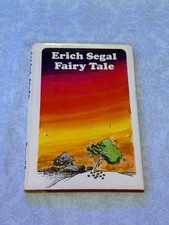


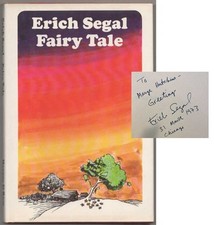
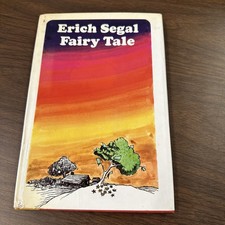
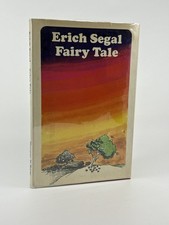
FAIRY TALE by Erich Segal, SIGNED, 1973 HCDJ First Edition - Love Story
🇺🇸 Price: US $25.00
Buy It Now

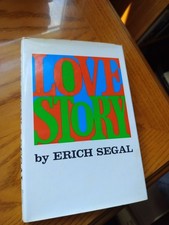
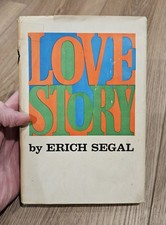
Love Story by Erich Segal. 1970 First Edition Signed, Hardcover Harper Row
🇺🇸 Price: US $95.00
Buy It Now
FAIRY TALE by Erich Segal, SIGNED, 1973 HCDJ First Edition - Love Story
🇺🇸 Price: US $15.78
Buy It Now




Signed By Author is an eBay affiliate. We may earn a commission from qualifying purchases.
About Erich Segal
Erich Wolf Segal was born in Brooklyn, New York, in 1937, the son of a prominent Reform rabbi, and grew up in a household where languages and scholarship were the currency of daily life. He took it seriously. At Harvard he became, in the same year, class poet and Latin salutatorian, something that only T.S. Eliot had managed before him. He went on to earn a master’s in Classics and a doctorate in comparative literature, both from Harvard, and was teaching Greek and Roman literature at Yale when, in 1968, he wrote the screenplay for the Beatles’ animated film Yellow Submarine. His lecture hall, already generously attended, reportedly filled to six hundred students on the strength of that credit alone.
What happened next was stranger and more consequential. Paramount Pictures had approved Segal’s screenplay for a film about two students at Harvard, a wealthy athlete and a working-class girl from Radcliffe, who fall in love and face an unbearable loss. At the studio’s request, Segal reworked the material as a novel to accompany the film’s release. Love Story was published on Valentine’s Day 1970. It spent forty-one weeks on the New York Times bestseller list, topped the charts in numerous countries, sold over twenty-one million copies in thirty-three languages, and generated a catchphrase, “Love means never having to say you’re sorry,” that lodged itself in the cultural memory of a generation. The film, starring Ali MacGraw and Ryan O’Neal, was the highest-grossing picture of 1971 and received seven Academy Award nominations, including one for Segal’s screenplay.
The critical establishment was considerably less enthusiastic. The National Book Award judges threatened to resign unless the novel was withdrawn from consideration. William Styron, heading the fiction panel, was blunt about his view of its literary merits. Segal took the point, and didn’t entirely disagree. He was a classicist who had written a tearjerker, and he knew it. What he had also done was write a book that found its readers with an accuracy that more critically admired novels rarely achieve, one that spoke directly to audiences during a period of profound social upheaval, when a simple story about love and loss carried real emotional weight.
He was denied tenure at Yale in the aftermath of the book’s success, a professional cost that he bore with resilience if not equanimity, and settled eventually in London, where he became a fellow at Wolfson College, Oxford, and continued to teach and write. Several of his subsequent novels, including The Class (1985), a saga following the Harvard class of 1958, and Doctors (1987), were New York Times bestsellers, and The Class won literary prizes in France and Italy. His academic study The Death of Comedy (2001), a serious work of classical scholarship, was well received and reminded those who had forgotten that the man who wrote Love Story was also a legitimate scholar of ancient theatre.
He had suffered from Parkinson’s disease since the mid-1980s, continuing to teach and write well beyond what the diagnosis might have suggested was possible. He died of a heart attack in London on 17 January 2010, at seventy-two. His daughter Francesca Segal has become a notable novelist in her own right, winning the Costa First Novel Award.
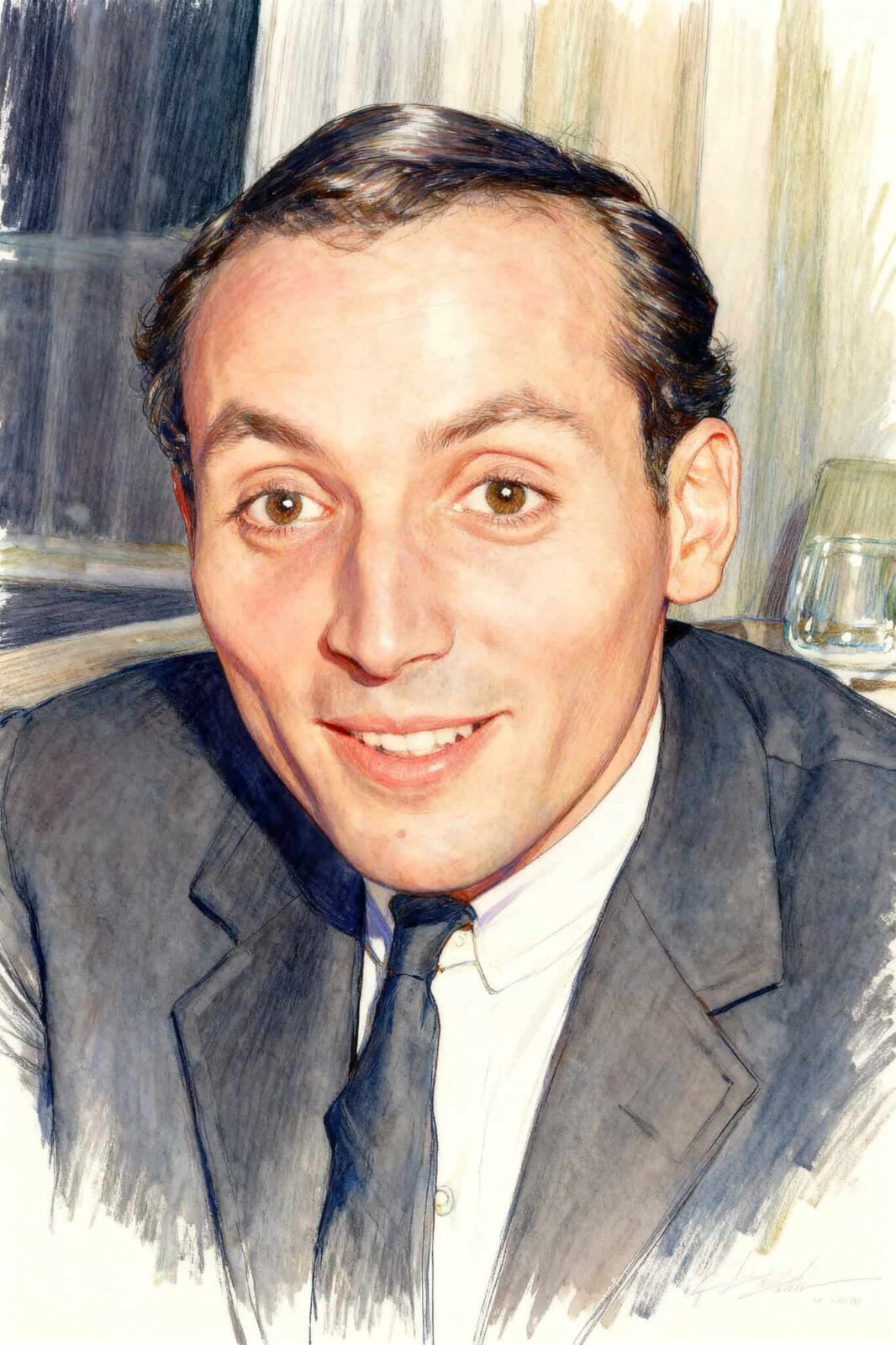
Illustration of Erich Segal based on a photograph by Joop van Bilsen for Anefo / Anefo, CC0, via Wikimedia Commons.
