Ramsey Campbell is often hailed as Britain’s greatest living horror writer, a master of atmosphere and unease whose career spans over six decades. From his Lovecraft-inspired beginnings to his psychologically charged later works, Campbell’s stories explore the uncanny in ordinary life. His novels such as The Doll Who Ate His Mother, The Grin of the Dark, and The Darkest Part of the Woods showcase a subtle, lingering kind of terror. Collectors of signed first editions value Campbell not only for his prolific output but for his unwavering dedication to the art of quiet horror that burrows deep beneath the skin.


Ghosts and Grisly Things by Ramsey Campbell SIGNED First Edition, 1998
🇺🇸 Price: US $27.00
Buy It Now
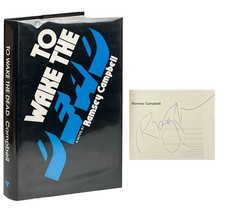


The Influence Ramsey Campbell HC Signed First Edition Macmillan (1988)
🇺🇸 Price: US $25.00
Buy It Now
Ramsey Campbell / Ghosts and Grisly Things / Signed First Edition, 1998
🇺🇸 Price: US $50.00
Buy It Now

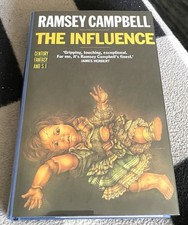

Ramsey Campbell / Needing Ghosts Signed Limited Edition 1st Edition 1990
🇺🇸 Price: US $50.00
Buy It Now


Ramsey CAMPBELL -- Dark Love (Horror) -- 1995 SIGNED 1st Edition Hardcover
🇺🇸 Price: US $31.99
Buy It Now

Signed By Author is an eBay affiliate. We may earn a commission from qualifying purchases.
About Ramsey Campbell
Born in Liverpool in 1946, Ramsey Campbell has spent more than half a century crafting a body of work that defines modern British horror. His earliest influences were the ghost stories of M. R. James and the cosmic dread of H. P. Lovecraft, whose fictional mythos he extended in his first collection, The Inhabitant of the Lake and Less Welcome Tenants (1964), published when he was just eighteen. Though steeped in Lovecraftian lore, these stories already displayed the psychological precision and sense of place that would become his signature. Over the years, Campbell’s voice evolved from homage to innovation, reshaping horror for the modern world.
Campbell’s debut novel, The Doll Who Ate His Mother (1976), marked a bold new direction for British horror. Set in the grim post-industrial streets of Liverpool, it brought the supernatural into a recognisably real world, grounding its horrors in guilt, family dysfunction, and moral decay. This merging of realism with the uncanny became Campbell’s hallmark, distinguishing him from both his American contemporaries and the more overt Gothic traditions that preceded him. He followed with acclaimed novels such as The Influence, The Parasite, and Obsession, each exploring the subtle erosion of reality and sanity under the pressure of fear.
Throughout the 1980s and 1990s, Campbell became one of the leading figures of the “quiet horror” movement—stories that trade jump scares for suggestion and psychological depth. Collections like Dark Companions and Waking Nightmares reveal his mastery of tone: dread creeping through ordinary settings, the familiar made terrifying. He has also written screenplays, essays, and critical introductions, advocating for horror as a legitimate art form with emotional and literary power.
Later novels such as The Grin of the Dark (2007) and Thieving Fear (2008) show Campbell’s continuing evolution. The Grin of the Dark, about a lost silent film that drives viewers insane, is both a meditation on obsession and a commentary on the unsettling power of laughter itself. In The Darkest Part of the Woods and The Kind Folk, he delves into folklore and ancient evil lurking beneath the English landscape, reaffirming his position as a chronicler of the uncanny within the ordinary.
Campbell’s influence extends far beyond his fiction. He has edited numerous anthologies, championed new writers, and received almost every major award in the field, including the Bram Stoker, British Fantasy, and World Fantasy Awards. In 2015, he was honoured with the World Horror Convention’s Lifetime Achievement Award, a fitting tribute to his sustained excellence and mentorship within the genre.
What distinguishes Campbell most is his humanity. His monsters are often metaphors for loneliness, repression, or moral blindness, and his prose—dense, rhythmic, and disorienting—mirrors the disintegration of his characters’ inner worlds. The result is horror not just to be read but experienced, lingering long after the book is closed.
For collectors, signed first editions of The Doll Who Ate His Mother, Dark Companions, and The Grin of the Dark hold enduring appeal. Ramsey Campbell’s works remain vital not because of shocks or gore, but because they expose the shadows hiding in the most ordinary corners of life.
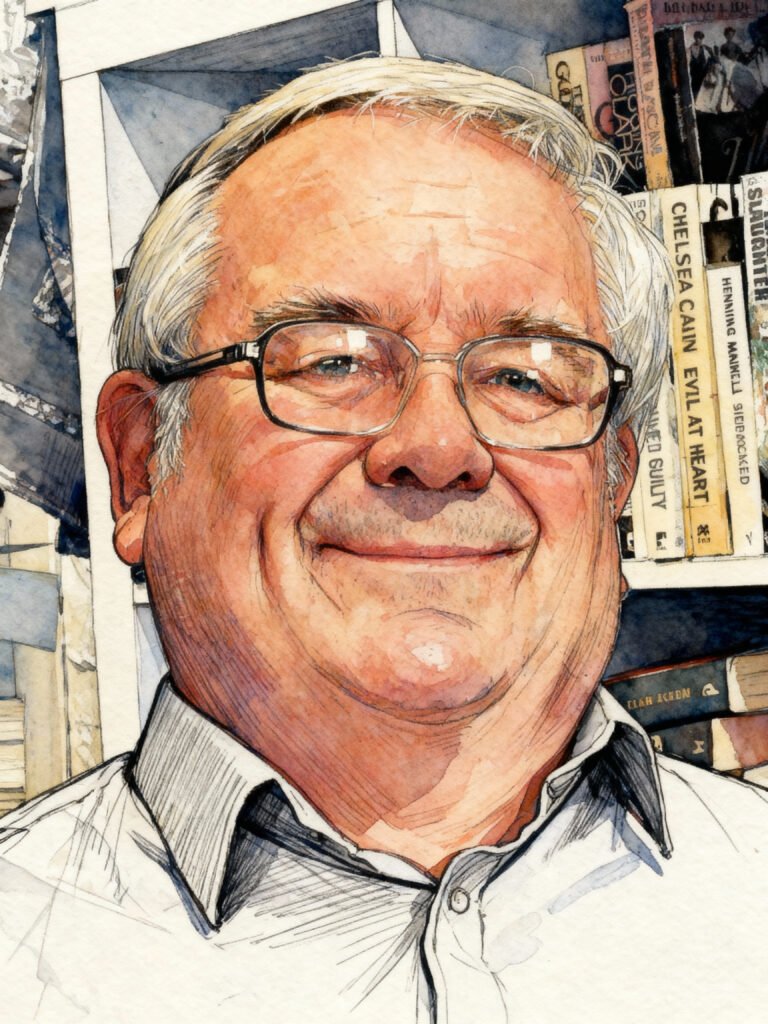
Illustration of Ramsey Campbell based on a photograph by Jamiespilsbury, CC BY-SA 3.0, via Wikimedia Commons.
