
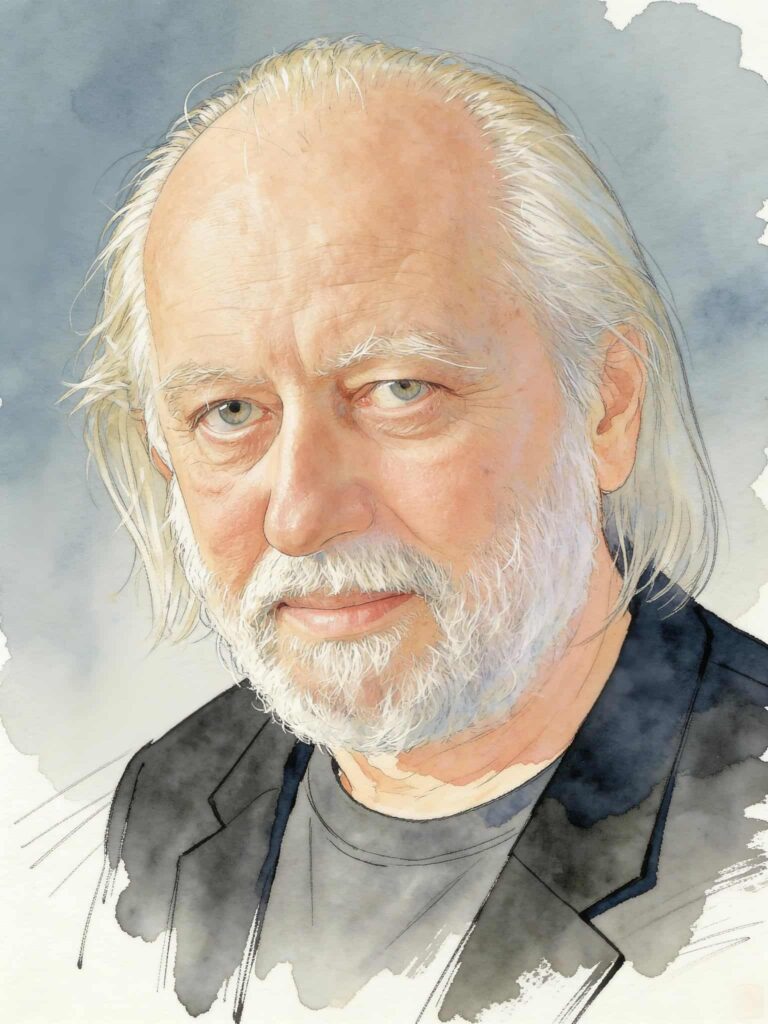
Discover the world of László Krasznahorkai signed first editions, a compelling choice for collectors of major contemporary literature. Krasznahorkai’s most important works, including Satantango and The Melancholy of Resistance, are celebrated for their visionary depth, hypnotic style and enduring cultural significance. His 2025 Nobel Prize in Literature has only increased interest in his early publications, translation variants and scarce first printings. For readers and collectors seeking modern masterpieces with long-term value, Krasznahorkai’s books stand among the most desirable literary first editions of recent decades.


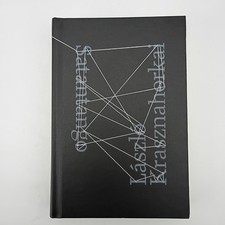
Satantango Laszlo Krasznahorkai Hardcover 1st US Edition 1st Pressing English
🇺🇸 Price: US $379.99
Buy It Now

Satantango, by Laszlo Krasznahorkai (2012) - 1st U.K./1st - SIGNED - NOBEL!
🇺🇸 Price: US $1,275.00
Buy It Now
Satantango, by Laszlo Krasznahorkai (2012) - 1st U.S./2nd Print - SIGNED!
🇺🇸 Price: US $825.00
Buy It Now![Product Image: [1st/1st] Satantango by Laszlo Krasznahorkai (Hardback, 2012)](https://i.ebayimg.com/images/g/R1YAAeSwyPJqoa9r/s-l225.jpg)

Satantango, by Laszlo Krasznahorkai (2012) - 1st U.S. Edition/1st Print
🇺🇸 Price: US $500.00
Buy It Now
Satantango, by Laszlo Krasznahorkai (2012) - 1st U.K./1st - SIGNED - NOBEL!
🇺🇸 Price: US $1,025.00
Buy It Now

Nobel Prize Winner Krasznahorkai László: Sátántangó - signed by author, 1st ed
🇺🇸 Price: US $1,800.00
Buy It Now
Signed By Author is an eBay affiliate. We may earn a commission from qualifying purchases.
← Back to full listingsAbout László Krasznahorkai
László Krasznahorkai, the Hungarian master of visionary and demanding fiction, has long been regarded as one of the most distinctive and uncompromising voices in contemporary literature. Born in Gyula in 1954, he emerged onto the international stage with Satantango, a bleak, hypnotic novel whose spiralling sentences and apocalyptic mood instantly established him as a writer operating at the far frontiers of literary form. Its reputation has only grown over the decades, especially following Béla Tarr’s celebrated film adaptation, which further cemented Krasznahorkai’s status as a cult figure.
His breakthrough in the English-speaking world came with the publication of The Melancholy of Resistance, a vast and unsettling work that showcases the hallmarks of his style: long, breathless paragraphs; an atmosphere of dread and beauty; and a philosophical depth that draws on European history, theology and the absurdities of modern life. The novel was widely acclaimed and introduced many readers to his singular combination of humour, terror and metaphysical ambition.
Krasznahorkai’s collaborations with Béla Tarr shaped much of his early reception, but his later novels have broadened his reputation as a major international figure. War & War and Seiobo There Below reveal the full extent of his intellectual range, shifting between cultures, epochs and narrative modes while exploring humanity’s relationship with art, transcendence and catastrophe. His prose can be challenging, but it rewards patient readers with moments of astonishing clarity and emotional resonance. These qualities have made him a touchstone for readers of modern literary fiction who seek work that pushes beyond conventional narrative structures.
Across four decades, Krasznahorkai has been honoured with some of the world’s most prestigious literary awards, including the 2015 Man Booker International Prize and, most notably, the 2025 Nobel Prize in Literature. The Nobel Committee praised him for an oeuvre that “reaffirms the power of art” while portraying the instability and darkness of the contemporary world with unmatched force.
Despite the intensity of his themes, Krasznahorkai often writes with dry, unexpected humour and a profound compassion for the strangeness of human existence. His work is admired equally by critics, academics and devoted collectors, who value not only his originality but the remarkable consistency and ambition of his output. His books have attained a near-mythic reputation among serious readers, and first editions of his most important titles are increasingly sought after by collectors worldwide.
Today, Krasznahorkai stands as one of the essential European authors of the past half-century, a writer whose visionary approach continues to influence a new generation. For collectors, scholars and readers alike, his work represents a rare combination of artistic difficulty, philosophical depth and lasting cultural importance.
Illustration of László Krasznahorkai based on a photograph by Miklós Déri, CC BY-SA 4.0, via Wikimedia Commons.
