Jim Carroll signed first editions appeal strongly to collectors drawn to the intersection of poetry, memoir, and countercultural history. Early signed copies of Living at the Movies and the cult classic The Basketball Diaries are particularly desirable, especially first printings linked to the 1995 film adaptation. Carroll was active in readings and performances, but well-preserved, authenticated copies are increasingly scarce. For collectors, his signed first editions capture a vivid moment in New York literary and musical culture, combining underground reputation with enduring appeal.
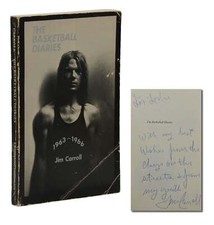
The Basketball Diaries ~ SIGNED by JIM CARROLL ~ First Edition ~ 1st Print 1978
🇺🇸 Price: US $1,500.00
Buy It Now

Jim Carroll Signed 1st Ed 1998 Void of Course Poems & 2010 Tom Clark Interview
🇺🇸 Price: US $250.00
Buy It Now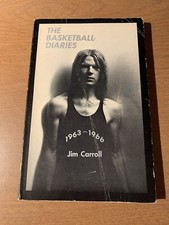
THE BASKETBALL DIARIES Jim Carroll SIGNED 1st Ed. 1978 Timbouctou Drug Culture!
🇺🇸 Price: US $2,500.00
Buy It Now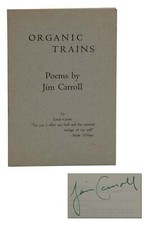
Organic Trains ~ SIGNED by JIM CARROLL ~ First Edition ~ 1st Printing 1967 Poems
🇺🇸 Price: US $3,500.00
Buy It Now
Signed Jim Carroll Void Of Course 1st Edition Paperback 1998 Mint Unread Copy
🇺🇸 Price: US $125.00
Buy It Now

Signed By Author is an eBay affiliate. We may earn a commission from qualifying purchases.
About Jim Carroll
Jim Carroll occupies a singular place in late twentieth-century American letters, straddling the worlds of poetry, memoir, and music with restless energy. Born in New York City in 1949, Carroll began writing as a teenager and was quickly drawn into the city’s downtown arts scene. His early poems revealed a raw lyric gift shaped by Catholic imagery, street life, and a precocious awareness of mortality.
Carroll first came to prominence with Living at the Movies, published while he was still in his early twenties. The collection introduced a voice that was at once confessional and urban, mixing spiritual yearning with the realities of addiction and survival. He was associated with the New York poetry scene of the late 1960s and 1970s, moving in circles that blurred the boundaries between literature, art, and rock music.
His memoir The Basketball Diaries brought him a much wider audience. Chronicling his adolescence in New York — basketball, heroin, hustling, and writing — the book became a cult classic. In 1995 it was adapted into a feature film starring Leonardo DiCaprio, a development that renewed interest in Carroll’s writing and introduced his work to a younger generation.
Alongside his literary career, Carroll fronted The Jim Carroll Band, achieving a measure of commercial success in music. Yet poetry remained central to his identity. Collections such as The Book of Nods and Fear of Dreaming continued to refine his spare, urgent style. His poems often read like stripped-back prayers or street-corner revelations — intense, rhythmic, and unguarded.
Carroll did not accumulate the major literary prizes that mark more academic careers, but his cultural influence was substantial. He bridged subcultures: downtown New York, punk rock, Catholic mysticism, and contemporary poetry. By the time of his death in 2009, he had secured a lasting reputation as a writer who made lyric art from lived extremity.
Today, his work sits firmly within modern poetry, valued not for polish alone but for authenticity and atmosphere. Carroll’s voice remains unmistakable — restless, searching, and unfiltered.
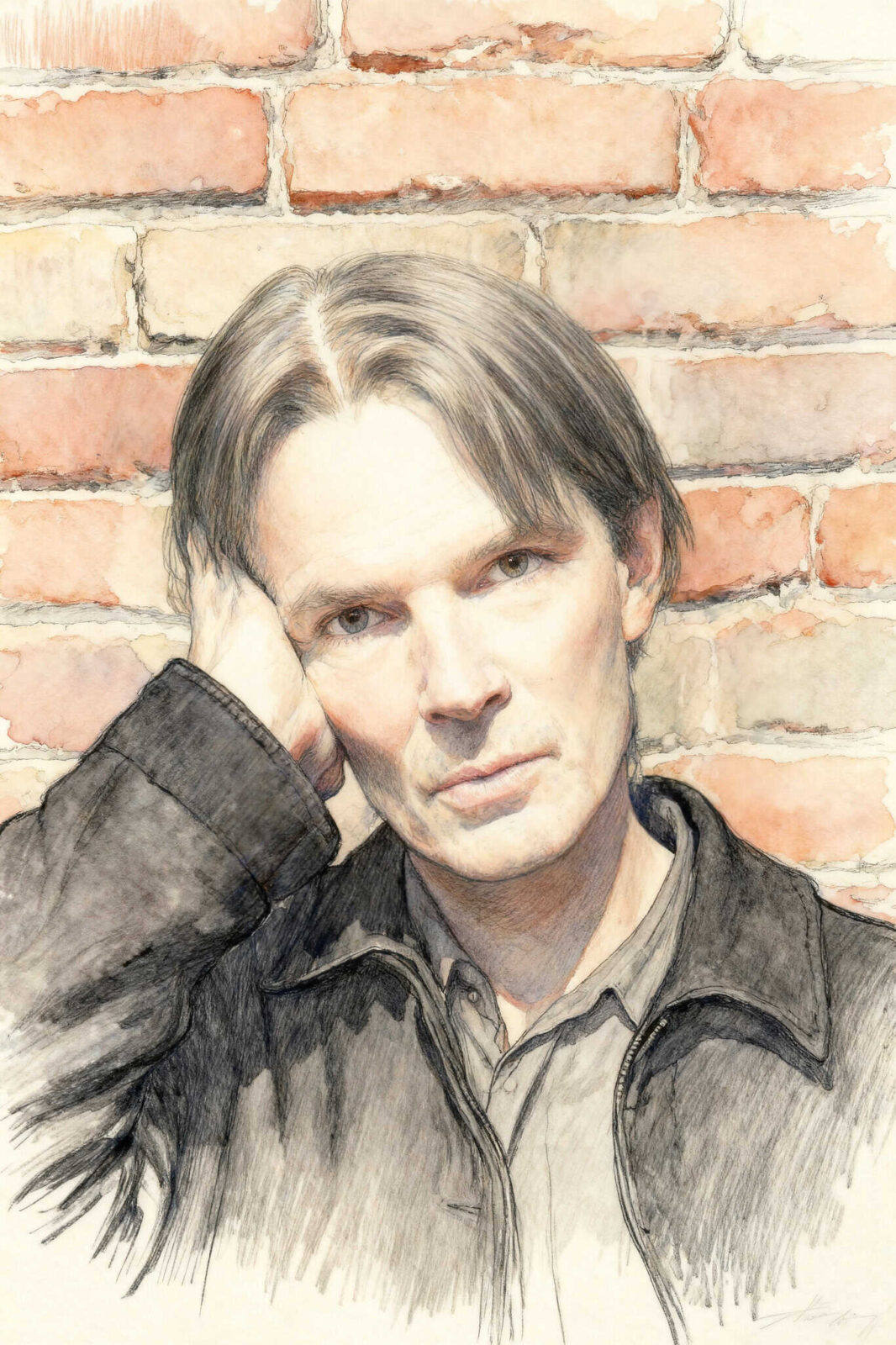
Illustration of Jim Carroll based on a photograph by Eric Thompson. Zerohourminuszero at en.wikipedia, Attribution, via Wikimedia Commons.
