
For collectors who value powerful storytelling and visionary ideas, Octavia E. Butler signed first editions are among the most compelling modern literary treasures. Butler’s novels blend imagination with social insight, from the time-bending impact of Kindred to the transformative futures explored in Lilith’s Brood and the Parable series. This curated selection highlights significant early printings, desirable hardbacks, and rare signed copies that reflect Butler’s lasting influence on speculative fiction. Whether you are beginning a new collection or enhancing an established one, these editions offer a meaningful way to connect with Butler’s extraordinary creative legacy.

Dawn ~ SIGNED by OCTAVIA E. BUTLER ~ First Edition ~ 1st Printing 1987
🇺🇸 Price: US $2,000.00
Buy It Now
Octavia E Butler WILD SEED 1st/1st Edition Signed & Inscribed 1980 F/F Nice Copy
🇺🇸 Price: US $1,750.00
Buy It Now
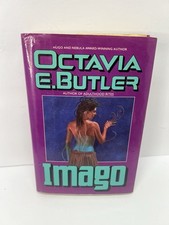
OCTAVIA E. BUTLER Imago SIGNED Book ✍️ Hardcover 1st First Pressing 1989 RARE
🇺🇸 Price: US $495.00
Buy It Now
Parable of the Talents by Octavia E. Butler (Signed, First Edition, Hardcover)
🇺🇸 Price: US $550.00
Buy It Now
Octavia E Butler / Clay's Ark / Signed First Edition in DJ / 1984 / Ex-lib
🇺🇸 Price: US $715.00
Buy It Now
Signed Parable of the Talents - Octavia E. Butler (2000 TPB) Warner Books
🇺🇸 Price: US $200.00
Buy It Now
Parable of the Talents ~ SIGNED by OCTAVIA BUTLER ~ First Edition ~ 1st ~ 1998
🇺🇸 Price: US $425.00
Buy It Now


Bloodchild by Octavia E. Butler (Signed, First Edition, Hardcover in Jacket)
🇺🇸 Price: US $600.00
Buy It Now
Patternmaster SIGNED by Octavia E. Butler First Edition - Ex Library Copy
🇺🇸 Price: US $375.00
Buy It Now


Kindred ~ SIGNED by OCTAVIA E. BUTLER ~ First Edition ~ 1st Printing ~ 1979
🇺🇸 Price: US $15,000.00
Buy It Now
Dawn ~ SIGNED by OCTAVIA E. BUTLER ~ First Edition ~ 1st Print 1987 Xenogenesis
🇺🇸 Price: US $2,000.00
Buy It Now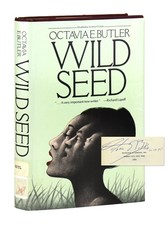
Octavia E Butler / Wild Seed / Signed First Edition in DJ / Ex-lib / 1980
🇺🇸 Price: US $715.00
Buy It Now
Adulthood Rites by Octavia E. Butler (1989, Hardcover) Signed 1st Edition
🇺🇸 Price: US $1,450.00
Buy It NowSigned By Author is an eBay affiliate. We may earn a commission from qualifying purchases.
About Octavia E. Butler
Octavia E. Butler (1947–2006) was one of the most influential and visionary voices in modern American literature, celebrated for her groundbreaking contributions to speculative fiction. Born in Pasadena, California, she grew up shy, observant, and deeply drawn to books, finding in them both refuge and inspiration. From an early age she aspired to be a writer, persevering despite discouragement and limited opportunities. Her determination paid off in the 1970s when she began publishing stories that blended elements of sci-fi genre fiction with profound explorations of power, identity, race, gender, and hierarchy.
Butler’s early Patternist novels, beginning with Patternmaster and followed by works such as Mind of My Mind and Wild Seed, demonstrated her skill in combining imaginative world-building with complex social commentary. But it was Kindred — a time-travel novel rooted in American history — that brought her wider recognition. The book’s emotional force and incisive storytelling made it a staple of both literary and genre reading lists, ensuring its place as a modern classic.
In the late 1980s and early 1990s Butler expanded her reputation with the Xenogenesis trilogy, later known collectively as Lilith’s Brood. These novels explored humanity’s reconstruction following near extinction, guided by an alien species with radically different biological and cultural assumptions. Through themes of consent, symbiosis, and transformation, Butler asked readers to confront the possibilities – and limits – of human adaptability. Around the same time she released the Parable novels, Parable of the Sower and Parable of the Talents, which portrayed a climate-ravaged United States and the rise of a new belief system centred on change and resilience. These books, uncannily prescient, have found renewed resonance with modern readers.
Butler became the first science fiction writer to receive a MacArthur “Genius” Grant in 1995, a recognition that affirmed her standing as a major literary figure. Soft-spoken yet intellectually fierce, she was known for her disciplined work ethic and for mentoring young writers, particularly those from underrepresented backgrounds. Her personal journals, published posthumously, revealed her unwavering commitment to writing and to imagining futures where humanity confronts its most difficult truths.
Her final novel, Fledgling, returned to themes of hybridity and belonging through a subversive approach to vampire mythology. Although her body of work is relatively small compared to some contemporaries, its influence is immense. Butler’s ideas continue to shape academic study, literary fiction, graphic novels, and film adaptations, ensuring her presence in cultural conversations about the future and the human condition.
Today, collectors seek her early editions and notable printings not only for their rarity but for their historical importance in the evolution of speculative fiction. Octavia E. Butler’s legacy endures as a testament to imagination, courage, and the power of storytelling to illuminate both past and future.
Illustration of Octavia E. Butler based on a photograph by Nikolas Coukouma, CC BY-SA 2.5, via Wikimedia Commons.
