J. D. Salinger was born on 1 January 1919 in New York City, a date that has become a convenient moment each year to reflect on the strange afterlife of one of the most famous and elusive figures in modern literature. Salinger published relatively little, withdrew from public life early, and spent decades actively resisting the culture of literary celebrity. Yet his most famous novel, The Catcher in the Rye, has never drifted out of view. On the contrary, its cultural presence and its status as a highly collectible book have only deepened with time.
Salinger grew up in Manhattan and attended several schools before studying briefly at Columbia University, where he took a short story course that helped shape his early career. After serving in the Second World War, an experience that marked him profoundly, he returned to writing with renewed seriousness. Throughout the late 1940s he published short fiction in leading magazines, refining a style that combined colloquial speech, emotional restraint, and a sharp awareness of adolescent dislocation. This work culminated in the publication of The Catcher in the Rye in 1951, a novel that immediately divided critics but found an intense and enduring readership.
The book’s narrator, Holden Caulfield, became one of the most recognisable voices in 20th-century fiction. His scepticism towards adult society, his tenderness towards childhood, and his restless moral anxiety spoke powerfully to postwar readers and to successive generations thereafter. While Salinger would go on to publish other important works, including Nine Stories and Franny and Zooey, none would eclipse the cultural impact of his first and only novel.
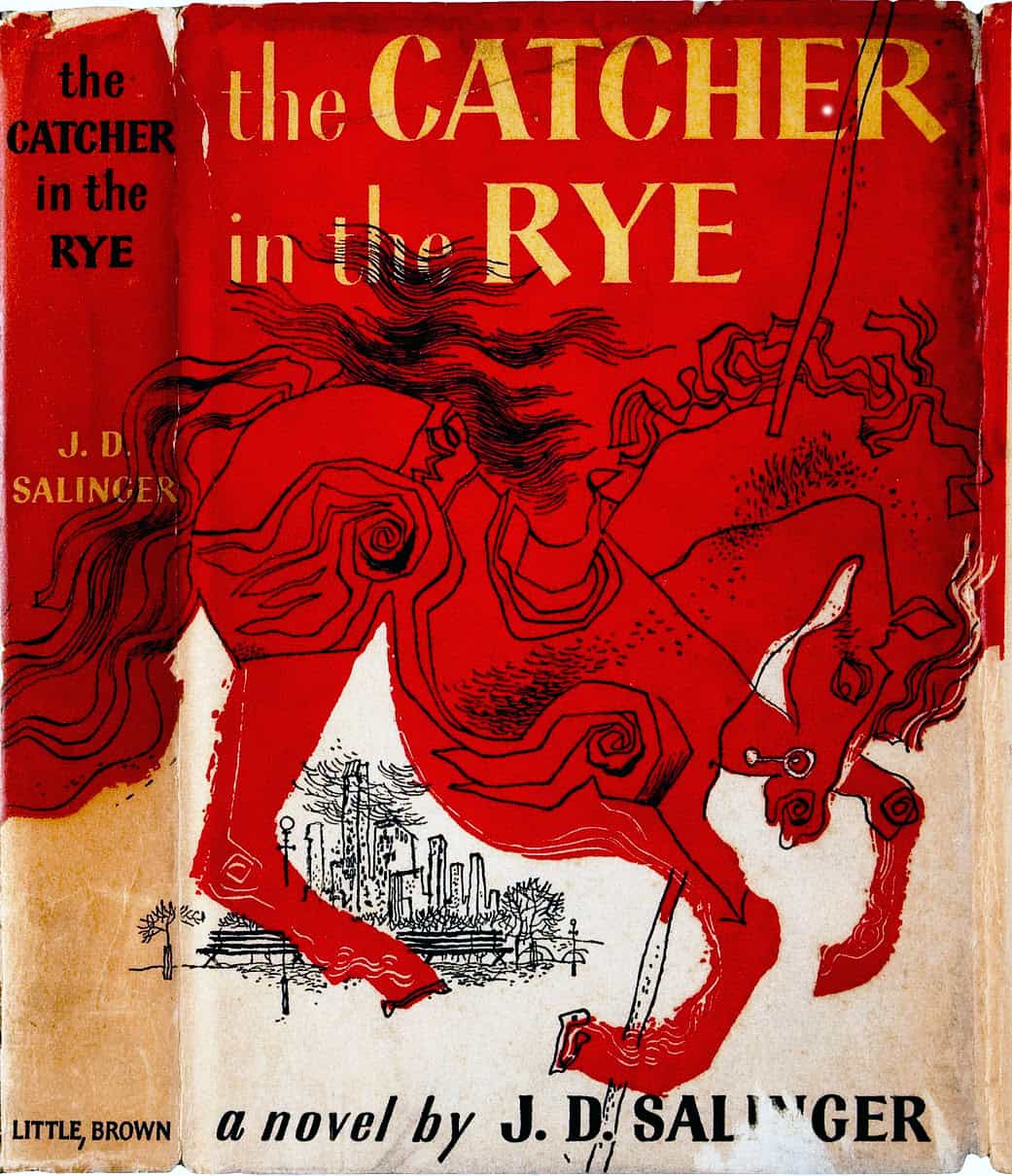
From a collecting perspective, The Catcher in the Rye occupies a unique position. It is a genuinely iconic book that was widely read, yet its earliest physical forms remain scarce in desirable condition. The true first edition, published by Little, Brown and Company in 1951, is instantly recognisable to specialists and increasingly difficult to acquire. Dust jackets, in particular, are critical to value, as many copies lost them during decades of casual reading and classroom use. The combination of high original circulation and low survival rate in fine condition has proved decisive in sustaining long-term collectibility.

J.D. Salinger Signed First Edition "The Catcher In The Rye" Hardcover Book (PSA)
🇺🇸 Price: US $98,000.00
Buy It Now
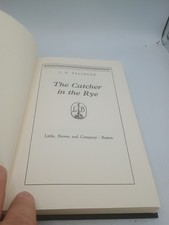
The Catcher in the Rye - J. D. Salinger ©1951 Book Club Edition Hardcover
🇺🇸 Price: US $111.20
Buy It Now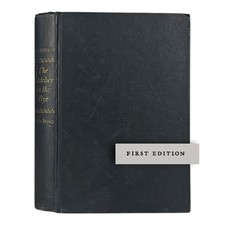
The Catcher in the Rye *True First Edition* J.D. Salinger - 1951 - 1st Printing
🇺🇸 Price: US $1,600.00
Buy It Now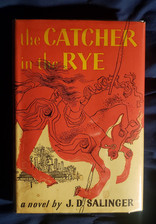


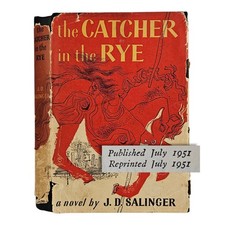


The Catcher in the Rye ~ J. D. SALINGER Uncorrected Proof First UK Edition 1951
🇺🇸 Price: US $28,000.00
Buy It Now
The Catcher in the Rye By J.D. Salinger 1st Ed, 39th Print DJ 1951 VG w DJ
🇺🇸 Price: US $175.00
Buy It Now

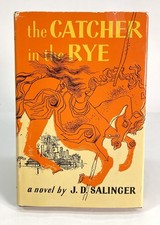
The Catcher in the Rye ~ J. D. SALINGER ~ First Edition ~ 1st Printing ~ 1951 JD
🇺🇸 Price: US $12,500.00
Buy It Now
CATCHER IN THE RYE J.D. Salinger FIRST EDITION and FIRST Printing FICTION 1951
🇺🇸 Price: US $12,000.00
Buy It Now


.jpg)
Signed By Author is an eBay affiliate. We may earn a commission from qualifying purchases.
What continues to drive interest, however, is not scarcity alone. Salinger’s personal mythology plays a major role. His withdrawal from interviews, refusal to permit adaptations, and legal battles to protect his privacy and intellectual property have created an aura of mystery that few modern authors can match. Unlike many mid-century writers whose reputations have fluctuated with academic fashion, Salinger has remained a fixed reference point in popular and literary culture. This stability reassures collectors that demand is unlikely to evaporate.
The novel’s controversial history has also contributed to its status. Frequently challenged and banned in schools for its language and themes, The Catcher in the Rye became a symbol of youthful rebellion and free expression. Paradoxically, attempts to suppress it only reinforced its visibility and importance. For collectors, this cultural friction adds another layer of significance, transforming the book from a simple coming-of-age novel into a document of social history.
Signed copies, when they appear, command particular attention. Salinger’s reluctance to sign books, especially after his retreat to New Hampshire, means that authentic inscriptions are uncommon and carefully scrutinised. Provenance matters greatly, and collectors tend to favour copies with clear documentation from the period before his reclusiveness became absolute. Even so, the mere possibility of encountering a genuine signed example keeps interest high across the market.
More than seventy years after publication, The Catcher in the Rye continues to feel alive, argued over, and emotionally charged. This ongoing relevance is perhaps the most important factor of all. Collectors are not simply acquiring a famous title, but a book that still provokes recognition and debate. As long as Holden Caulfield’s voice continues to resonate with new readers, Salinger’s most famous work will remain not only a cornerstone of modern literature, but a compelling and resilient object of desire for serious book collectors.