On 8 May 2026, David Attenborough turns one hundred years old. The BBC is marking the occasion with a week of new programming, a live event at the Royal Albert Hall, and what amounts to a national moment of reflection on how one voice, over seven decades, has brought the natural world into sharp focus for millions of readers. It is a remarkable thing. But Attenborough is also part of a longer tradition, a lineage of writers and thinkers who used the page to do what the camera couldn’t manage alone: to make readers feel the weight of the natural world, and the cost of its destruction, in the quiet of their own homes.
These are ten of the books that did it best.
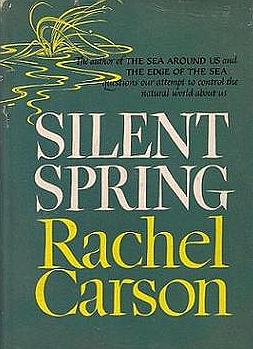
1. Silent Spring by Rachel Carson (1962)
The one that started it all, in many ways. Silent Spring documented the devastation being wrought by synthetic pesticides, particularly DDT, on birds, insects, and the wider ecosystem. Carson was a marine biologist writing for a general audience, and she understood that data alone wouldn’t move people. The book’s opening chapter, a fictional American town from which all birdsong has vanished, remains one of the most effective pieces of environmental writing ever published. It helped trigger the modern environmental movement and led directly to the banning of DDT in the United States. It was also viciously attacked by the chemical industry, which only confirmed how much it mattered.
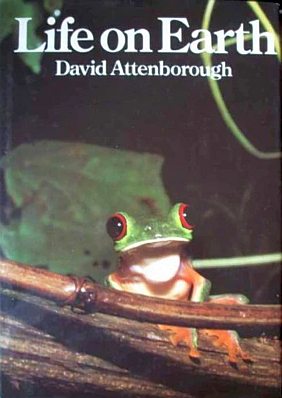
2. Life on Earth by David Attenborough (1979)
The companion volume to his landmark BBC series, Life on Earth distilled Attenborough’s survey of 600 species across 40 countries into book form. It sold in millions and introduced a generation to evolutionary biology without ever feeling like a textbook. The photographs were extraordinary for the time; the prose was clear, warm, and never condescending. It set the template for the popular natural history book as we know it today, and it is the work the BBC will revisit as part of his centenary celebrations this May.
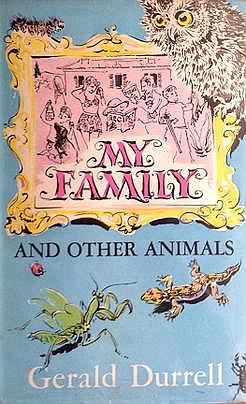
3. My Family and Other Animals by Gerald Durrell (1956)
Durrell’s account of a childhood spent on Corfu, surrounded by lizards, tortoises, scorpions, and a magnificently chaotic family, is the book that made wildlife feel like something to love rather than study. It’s funny, precise, and quietly political, because running beneath the comedy is Durrell’s lifelong conviction that the creatures sharing our world deserve our serious attention. He went on to found the Jersey Zoo and become one of the most important conservationists of the twentieth century. But this was where it started, and it remains a delight.
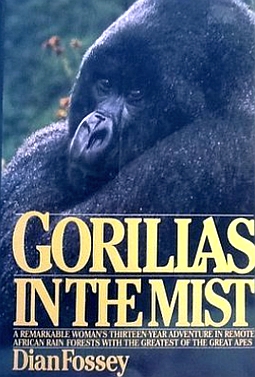
4. Gorillas in the Mist by Dian Fossey (1983)
Fossey spent nearly two decades living among mountain gorillas in Rwanda, and this account of that research changed what we knew about primate behaviour and social life. It also changed how we thought about conservation, placing the individual scientist in direct, sometimes dangerous conflict with poachers and a hostile political environment. The 1988 film brought the story to a wider audience, but the book is the harder and more honest version. Fossey was murdered in 1985, and the gorilla population she fought to protect is still fragile. The book has not dated.
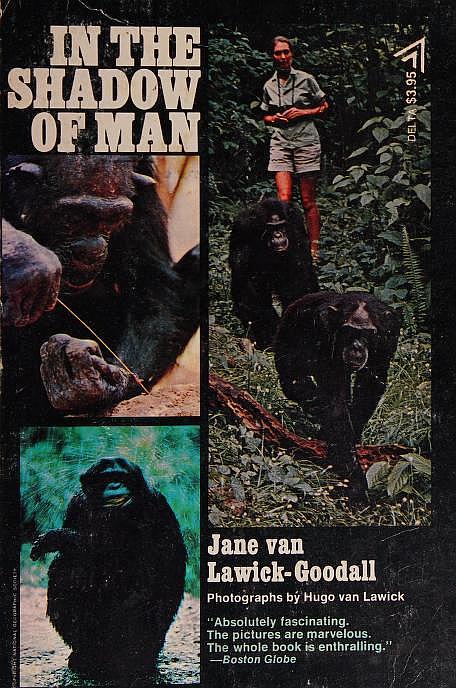
5. In the Shadow of Man by Jane Goodall (1971)
Goodall’s account of her early years at Gombe, observing chimpanzees in the wild, demolished several assumptions about the line between humans and other primates. Tool use, complex social hierarchies, grief, aggression: the chimps of Gombe were disturbingly, illuminatingly like us. Goodall wrote the book without condescension and without sentimentality, and it remains essential reading for anyone interested in where the boundary between human and animal actually lies, and whether it is quite as firm as we like to think.
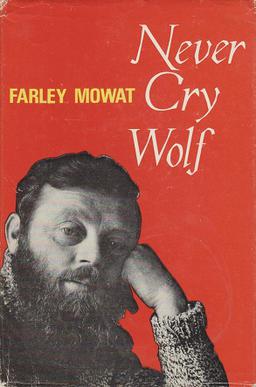
6. Never Cry Wolf by Farley Mowat (1963)
Mowat was sent to the Canadian Arctic by the government to investigate wolf predation on caribou herds and came back with a book that largely exonerated the wolves and indicted the humans. Never Cry Wolf is part memoir, part field report, and part deadpan comedy, as Mowat describes living alone on the tundra, eating mice, and growing rather fond of the wolf family he was supposed to be studying. It is also a serious intervention in the debate about predator culling, and it helped shift public opinion about wolves across North America. The 1983 film adaptation brought it to a new audience.
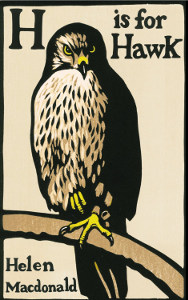
7. H is for Hawk by Helen Macdonald(2014)
Macdonald wrote this account of training a goshawk in the aftermath of her father’s death, and the result is one of the strangest and most affecting nature books of recent decades. It is also a meditation on grief, obsession, and the dangerous human tendency to project ourselves onto wild creatures. It won the Samuel Johnson Prize and the Costa Biography Award and introduced a generation of readers to falconry, to T.H. White, and to the particular way that spending time with a non-human mind can recalibrate your sense of the world.
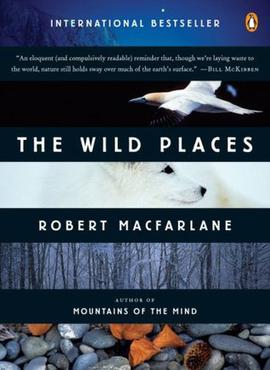
8. The Wild Places by Robert Macfarlane(2007)
Macfarlane’s second book asked a genuinely uncomfortable question: is there anything still wild in Britain and Ireland, and if so, what does wildness actually mean in a managed landscape? His journeys to the Outer Hebrides, to the Cairngorms, to the Fens at night, are beautifully described, but the book is really an argument about attention and loss. It was part of a shift in how British readers thought about their own landscape, and it established Macfarlane as the leading voice of a new generation of nature writers.
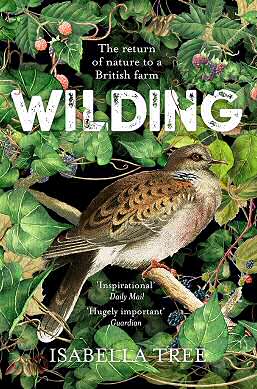
9. Wilding by Isabella Tree (2018)
Tree and her husband Charlie Burrell took their struggling farm in West Sussex and gradually handed it back to nature, stepping back and watching what happened. What happened was extraordinary: turtle doves returned, purple emperor butterflies, rare beetles, herds of free-roaming cattle and pigs. Wilding is the account of that experiment and became one of the most discussed conservation books of recent years. It made rewilding feel not like a utopian fantasy but like something you could actually do, on actual land, right now.
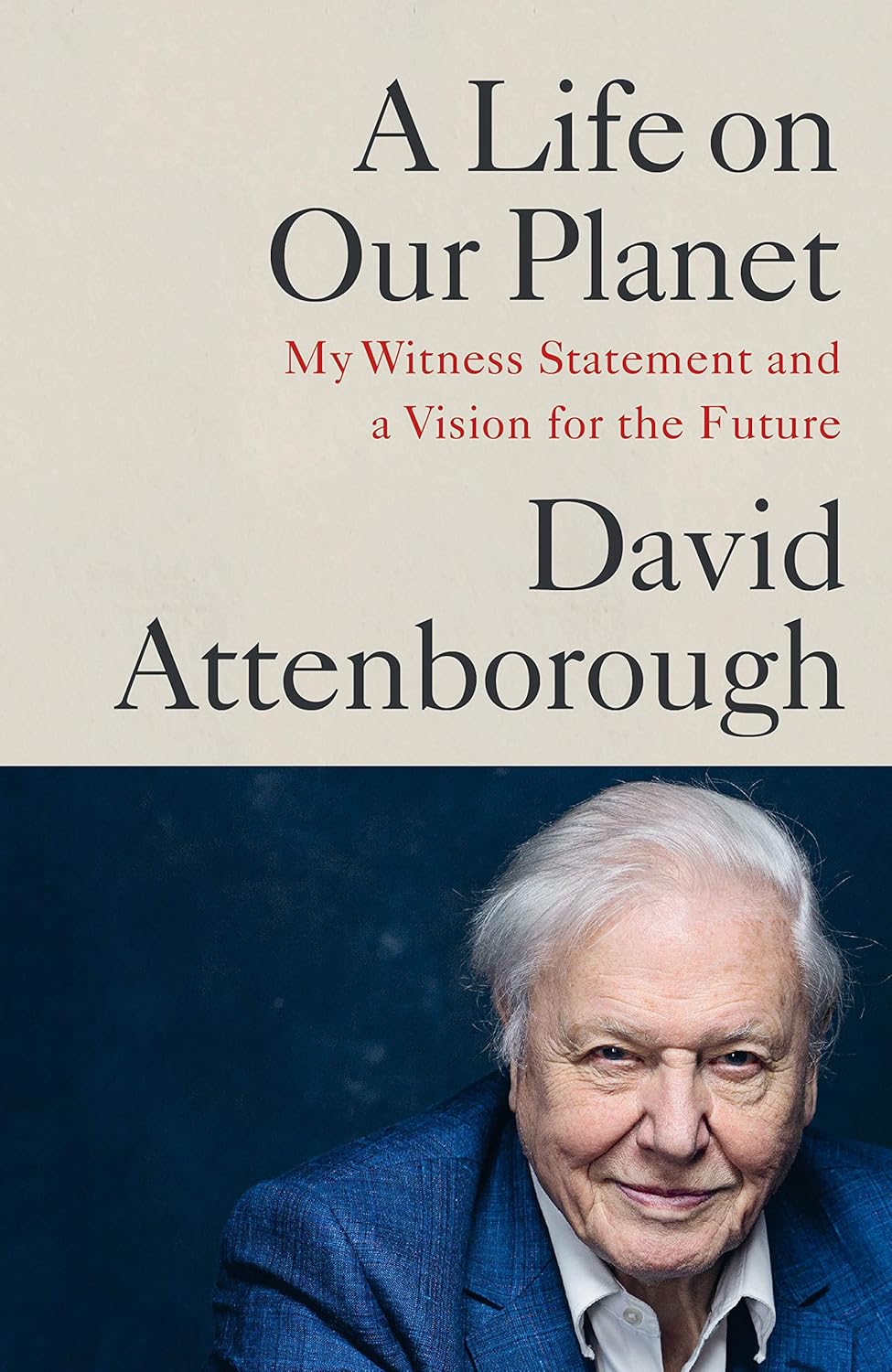
10. A Life on Our Planet by David Attenborough(2020)
Written when he was ninety-three, this is Attenborough’s most urgent book, a personal witness statement and a vision for how the damage might still be repaired. Where his earlier work was largely celebratory, this one is direct about what has been lost in his lifetime, and what the next fifty years will require of us. Published alongside the Netflix documentary of the same name, it reached an audience well beyond his usual readership. As a coda to a century of life and seven decades of broadcasting, it is, in its quiet way, extraordinary.
If you’re looking for signed first editions from these authors, our Natural History & Conservation pages are a good place to start.
The book jacket images used throughout this post are copyright their respective publishers and appear here for review and commentary purposes only. No affiliate links appear on this page.