
With the World Cup final just days away, it felt like the right moment to put together a shortlist of football writing that goes a bit deeper than the back pages. These aren’t match reports or player memoirs, they’re the kind of books that use football as a way into something bigger, culture, psychology, politics, identity. Here are five that earn their place on any serious sports shelf.
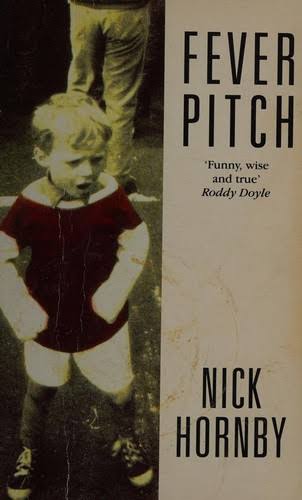
1. Fever Pitch by Nick Hornby
Still the book that other football writers measure themselves against. Published in 1992, Hornby’s memoir traces his lifelong obsession with Arsenal from boyhood onward, using each match as a kind of marker for where he was in his own life at the time. It won the William Hill Sports Book of the Year and later became a Penguin Modern Classic, which tells you something about how far it travelled beyond the sports section. Hornby wasn’t trying to write the definitive account of English football, he was writing about what it does to a person to care about something this much, for this long, often against their better judgement. Two film adaptations followed, one British, one American, though neither quite captures what makes the book work, which is the honesty of it.
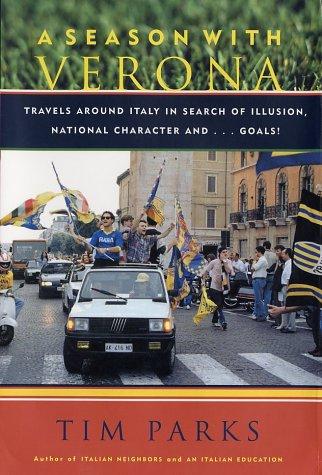
2. A Season with Verona by Tim Parks
Parks had already lived in Italy for twenty years when he decided to follow Hellas Verona, his adopted local club, through an entire Serie A season, home and away, standing terraces and all. What emerged is as much a study of Italian regional identity, class tension and small-town devotion as it is a football book. He gets properly close to the ultras, the fans other writers tend to observe from a safe distance, and doesn’t flinch from the uglier parts of that culture while still finding real tenderness in the loyalty underneath it. It was shortlisted for the William Hill Sports Book of the Year, and it holds up as one of the better attempts anyone has made at explaining Italy through its football grounds rather than its museums.
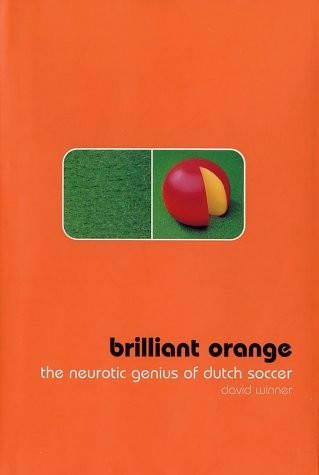
3. Brilliant Orange by David Winner
Winner’s premise sounds like it shouldn’t work: that the free-flowing, spatially inventive style of Dutch Total Football in the 1970s can be traced back to Dutch art, architecture, and even the way the country manages its relationship with land reclaimed from the sea. Somehow it does work, and brilliantly. Cruyff, Neeskens and the great Ajax and Oranje sides of that era are the spine of the book, but the real pleasure is in the detours, into Mondrian, into town planning, into the Dutch national psyche. It was shortlisted for the William Hill Sports Book of the Year when it came out in 2000 and has become something of a cult classic since, the kind of book fans press on each other rather than one that needed a marketing campaign.
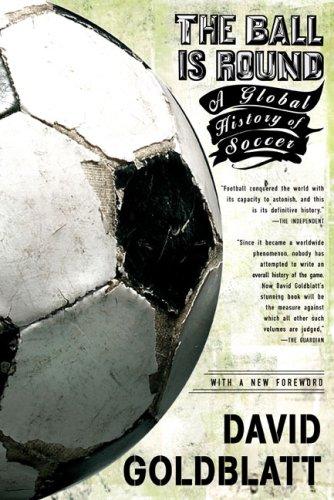
4. The Ball Is Round by David Goldblatt
This is the heavyweight of the list, literally and otherwise, a genuinely global history of the sport running to nearly a thousand pages. Goldblatt traces football from a scrappy Victorian pastime to the industry it’s become, and he’s just as interested in what the game reveals about colonialism, nationalism and economic power as he is in the football itself. It takes in Mussolini’s use of the 1934 World Cup, the rise of the game across Africa and Latin America, and the politics knotted through European football’s growth. It’s dense, it rewards patience, and it’s the book to have on the shelf if you want the full picture rather than the highlights reel.
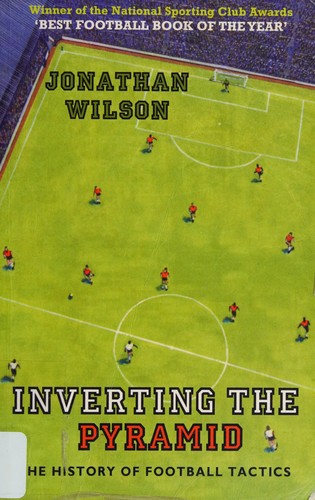
5. Inverting the Pyramid by Jonathan Wilson
A history of football told entirely through tactics, which could easily have been a dry read in less capable hands. Wilson traces the evolution of formations and thinking from the game’s chaotic Victorian origins right through to the systems shaping the modern international game, and along the way profiles the coaches and thinkers who pushed the sport forward, often against fierce resistance, particularly in England. It won Football Book of the Year at the British Sports Book Awards not long after publication and has been through several updated editions since, most recently bringing the analysis up to the 2022 World Cup. For anyone who wants to understand why teams play the way they do, rather than just who wins, this is still the standard reference.
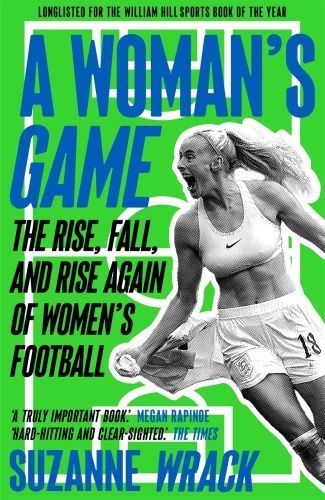
BONUS: A Woman’s Game by Suzanne Wrack
Worth adding as a sixth, because most football writing, this list included until now, is really writing about the men’s game by default. Wrack, who covers women’s football for the Guardian, traces the sport’s history back to the astonishing crowds that watched teams like Dick, Kerr Ladies in the early twentieth century, through the FA’s ban on women playing at League grounds, a ban that stood for fifty years, and on to the professional game’s recent revival. It’s well reported rather than nostalgic, and it fills a gap the other five books on this list leave wide open.
Whichever way the final goes this week, there’s a decent chance it produces a story that one of these writers, or someone very like them, will eventually try to explain properly. Football has always been better served by writers willing to look past the scoreline, and these five are proof of that.
Book cover images courtesy of the Open Library. All covers are copyright their respective publishers and appear here for review and commentary purposes only.