
Cosy crime is back in fashion — and not just on the bookshelf. From Agatha Christie’s village murders to Richard Osman’s bestselling Thursday Murder Club series (now a hit Netflix film), readers and viewers alike are rediscovering the comfort of an old-fashioned whodunnit. In an uncertain world, these tales of order, logic, and gentle humour feel more welcome than ever. Here’s how the genre that began with tea, tweed and tidy murders has found new life in the twenty-first century.


Signed By Author is an eBay affiliate. We may earn a commission from qualifying purchases.
Cosy crime has always thrived on the paradox of safety and suspense. Christie perfected the formula in novels such as The Murder of Roger Ackroyd and A Murder is Announced, crafting puzzles where logic and intuition mattered more than gore. Her detectives — ordinary on the surface but razor-sharp underneath — offered readers both reassurance and intellectual challenge. The settings were familiar: vicarages, boarding houses, seaside hotels. The tone was light, the language precise, and the moral order always restored by the end.
In the post-war years, other writers carried the torch: Dorothy L. Sayers with her elegant Lord Peter Wimsey novels, Ngaio Marsh with her theatre-set murders, and Josephine Tey with her psychological twists. Yet by the late twentieth century, the genre was overshadowed by hardboiled detectives and the rise of gritty, urban noir. For a time, cosy crime seemed like a relic from a more innocent age.
Then came a quiet revolution. Readers, weary of relentless violence and cynicism, rediscovered the pleasures of clever plotting and humane humour. Television adaptations of Christie’s works — from Joan Hickson’s beloved Miss Marple to Kenneth Branagh’s stylish Poirot films — rekindled interest. Book clubs and streaming audiences alike began to crave the same comfort: mysteries that intrigue without terrifying, that amuse as much as they puzzle.


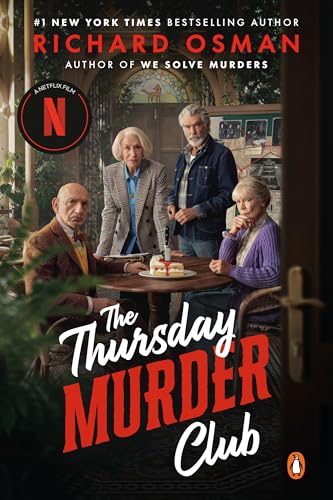
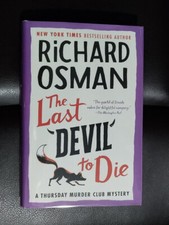
Richard Osman’s debut, The Thursday Murder Club (2020), captured that mood perfectly. Set in a peaceful retirement village where four pensioners solve cold cases over tea and biscuits, the novel became a runaway success. Osman’s blend of wit, warmth, and mystery echoes Christie’s spirit while feeling entirely modern. Its sequels — The Man Who Died Twice, The Bullet That Missed, and The Last Devil to Die — have turned the series into a publishing phenomenon. The Netflix film adaptation, now available to stream, has brought the eccentric sleuths to an even wider audience, introducing a global viewership to the peculiar charm of Cooper’s Chase.
The appeal of cosy crime lies in its balance: suspense without brutality, intelligence without pretension, comfort without complacency. In uncertain times, readers find solace in worlds where justice prevails and good manners still matter. It’s no surprise that booksellers report growing interest in classic editions and signed firsts of Christie, Sayers, and Tey — or that collectors are eagerly seeking Osman’s early printings, sensing the beginnings of a long-lasting tradition.
Whether revisiting a country house mystery from the 1930s or curling up with the latest exploits from Cooper’s Chase, the pleasure remains the same: a cup of tea, a clever plot, and the satisfying certainty that, by the final page, order will be restored. Cosy crime, it seems, never truly went away — it just needed a new generation to rediscover its charm.
Browse our curated selection of signed and first edition cosy crime novels — from golden age classics by Agatha Christie to modern favourites by Richard Osman — and rediscover why a good murder can be such a comfort.